How much customer-related data does your organisation generate each day? How many emails, social media messages, and internal discussions on collaboration platforms are created, sent, and received? Most importantly, where does this data live and who decides what is—and isn’t—relevant to the business and delivering a seamless customer experience (CX)?
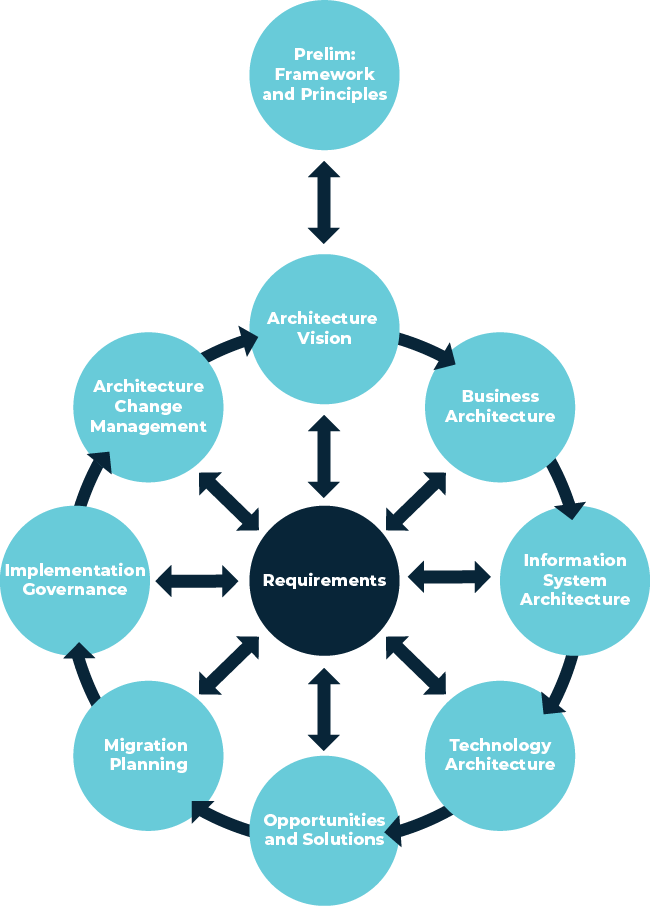
The efficient management of data flow across various touchpoints within a company is pivotal to ensuring a seamless CX and driving informed decision-making. To achieve this, business leaders should follow The Open Group Architecture Framework (TOGAF), a widely adopted, comprehensive, and flexible framework that provides a standardised approach to enterprise architecture. TOGAF offers a methodical way to design, plan, implement, and govern an enterprise information architecture. This standardisation helps ensure consistency and coherence across various projects and initiatives.
Leveraging CX Analytics Platforms for Data Quality and Trustworthiness
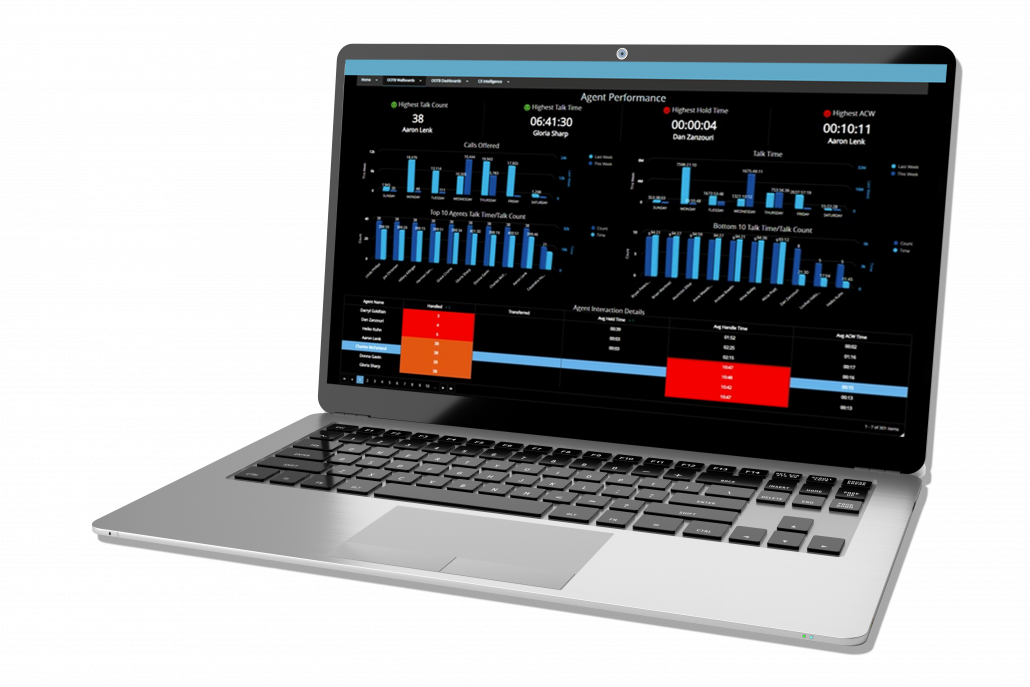
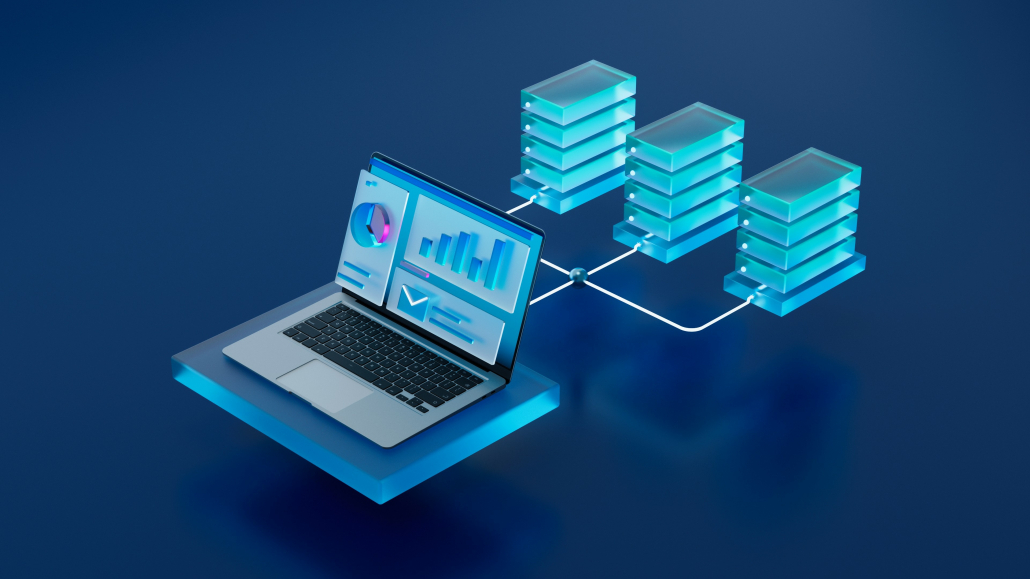
The emite CX analytics platform is a central repository for capturing and analysing customer data from multiple sources, including online interactions, customer service touchpoints, and social media channels.
By integrating emite within TOGAF’s data architecture and information systems architecture domains, enterprise architects can design solutions that break down silos and ensure the seamless integration of data across various systems and applications. This promotes a holistic data flow that delivers real-time data sharing and empowers stakeholders to make informed decisions based on comprehensive, cross-functional insights.
With data silos removed, enterprise architects can establish a unified data management system that centralises data sources, promotes data consistency, and facilitates a comprehensive understanding of customer behaviours and preferences across the organisation.
1.Real-Time Insights for Informed Decision-Making
The integration of the emite CX analytics platform within TOGAF framework’s business and applications architecture domains equips enterprise architects with the tools they need to derive real-time insights from the consolidated data. By leveraging these insights, organisations can make informed decisions, responding to customer needs and market trends promptly. This integration fosters a dynamic company environment where data-driven decision-making is at the forefront, empowering businesses to stay agile and adaptive.

2.Compliance and Security of Data
With data security and compliance becoming increasingly critical, integrating the emite CX analytics platform with TOGAF framework helps establish robust data governance mechanisms. This integration ensures data management practices adhere to industry regulations and internal security protocols, safeguarding sensitive customer information, and bolstering customer trust. By embedding data security measures within the architectural design, enterprise architects can guarantee the integrity and confidentiality of customer data, mitigating potential risks and vulnerabilities.

3.Continuous Improvement and Innovation
The ability to access the right data at the right time creates a culture of continuous improvement and innovation. By leveraging the insights collected from the emite CX analytics platform, enterprise architects can refine and enhance existing architectural designs, ensuring that the organisation remains adaptable and responsive to ever-changing customer expectations and market dynamics. This integration encourages a proactive approach to architectural design, where innovation and customer-centricity are at the core of every strategic decision and technological advancement.
4.Enhanced Collaboration and Efficiency Across Teams
By centralising customer data and providing a unified view, teams from marketing, sales, customer service, and IT can work more cohesively, understanding customer needs and preferences in a unified context. This integration reduces the time and resources spent on consolidating data from disparate sources, allowing for quicker response times and more efficient project execution. Enhanced inter-departmental collaboration leads to a more coherent and customer-focused strategy, which is essential for delivering a superior CX and driving company growth.
The Road to Better CX
By integrating the emite CX analytics platform within TOGAF, business leaders can enhance efficiency and agility and strengthen the organisation’s ability to deliver a seamless and personalised CX, ensuring long-term success and sustainability in an increasingly competitive business landscape.
To discover how your company can leverage emite CX analytics for unified data management, contact the team today.
For more information on eliminating data silos in your organisation, download our tip sheet, ‘10 Ways to Dismantle Data Silos and Enhance Customer Experience (CX)’.