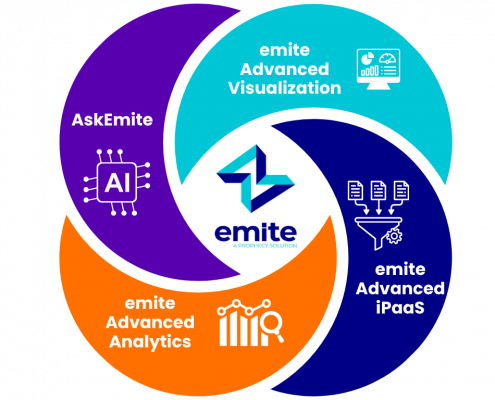
Each of these pressures has a data and reporting dimension. They are not separate problems, they are connected expressions of the same underlying challenge: contact centre managers do not have fast enough access to the right information, in the right form, at the point decisions need to be made.
Deciding where to deploy AI and how to measure whether it is working requires live operational data. Retaining agents and managing burnout requires early warning signals, queue pressure, adherence gaps, quality trends, before they become attrition events. Fixing data fragmentation requires visibility into where inconsistencies exist and what they are costing. Delivering omnichannel continuity requires a unified view of the customer journey across every system.
Real-time reporting is not a reporting problem. It is an operations problem. The speed at which a contact centre can detect a signal, understand its cause, and direct a response is the most direct determinant of whether it stays ahead of its challenges, or perpetually catches up to them.
The traditional approach, dashboards that display data, analysts who interpret it, reports that arrive after the fact, was not designed for the operational velocity that contact centres now require. The gap between a performance signal appearing and a decision-maker acting on it has become a competitive disadvantage.