Over the last 20+ years I have seen a lot of changes, including people, process, and technology.  The shifting from quantitative to qualitative measures and data driven insights has been labelled digital transformation, industry 4.0 and more recently web3.0.

However, the same underlying themes is observed throughout, faster change and business agility needs faster more detailed data insights to help organisation is an an era where data is the fuel that powers exceptional customer experiences. In today’s hyperconnected world, customers expect seamless, personalized, and intuitive interactions at every touchpoint. To meet these evolving expectations, it’s crucial to tap into the vast wealth of customer data available to you. By harnessing the power of data analytics, you can gain deep insights into customer preferences, behaviours, and pain points, enabling you to transform your CX strategy.

The introduction of ubiquitous data integrations for end points spanning all mediums including the physical services delivered and devices used to interact with it, has seen the volume of data available rocket in recent years, many organisations are spending over $4million a year on integrating disparate systems and finding it more and more challenging to support internally.

In my many discussions with both CX leaders, Data scientists and technologists, I’ve witnessed firsthand the challenges faced by organizations in utilizing data effectively. In this blog, I will share with you five top tips that will unlock the potential of data driven CX. These tips are designed to make your customers’ journeys easy, personalized, intuitive, and contextual, ensuring their satisfaction and driving business growth.

5 top tips for using data to make customer experience (CX) easy, personalized, intuitive, and contextual

Author: Jonathan Boyd, Global Head of emite Product Strategy & Innovation

#1 Collect and analyse customer data across multiple touchpoints

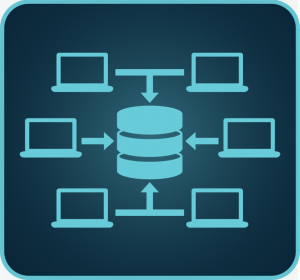
Gather data from various channels such as websites, mobile apps, social media, order processing, CRM, Sentiment data, Voice of the Customer and customer contact to create a comprehensive view of each customer’s journey. This data will provide valuable insights into customer preferences, behaviours, and pain points.

Collect and Analyze Customer Data

#2 Utilize advanced analytics techniques

Leverage data analytics platforms rather than dashboarding apps, will uncover hidden patterns and trends in customer data. By applying the advanced data analysis techniques, you can anticipate customer needs, personalize interactions, and proactively address customer issues.

#3 Implement real-time data monitoring and reporting

Set up systems that continuously monitor and analyse customer data in real time. This allows you to identify critical customer events or triggers, such as a negative sentiment and poor business outcomes, and promptly respond to them. Real-time data monitoring enables proactive customer engagement and timely resolution of issues.

#4 Personalize customer interactions

Use data-driven insights to deliver personalized experiences at every touchpoint. Tailor your communications, recommendations, and offers based on individual customer preferences, past behaviours, and demographics. This level of personalization enhances customer satisfaction, engagement, and loyalty. So when evaluating tooling, look for a true data management and analytics platform that is configurable to meet your needs.

#5 Implement contextual customer experiences

Combine customer data with contextual information such as location, time, and device to deliver contextually relevant experiences. For example, provide location-based offers, send reminders based on customer preferences, or adapt the user interface to match the customer’s device. Contextual experiences create a seamless and intuitive customer journey.

By incorporating these top tips into your CX strategy, you can leverage data effectively to enhance the customer experience, build stronger relationships, and drive business growth.

Share These Top Tips with Your Team